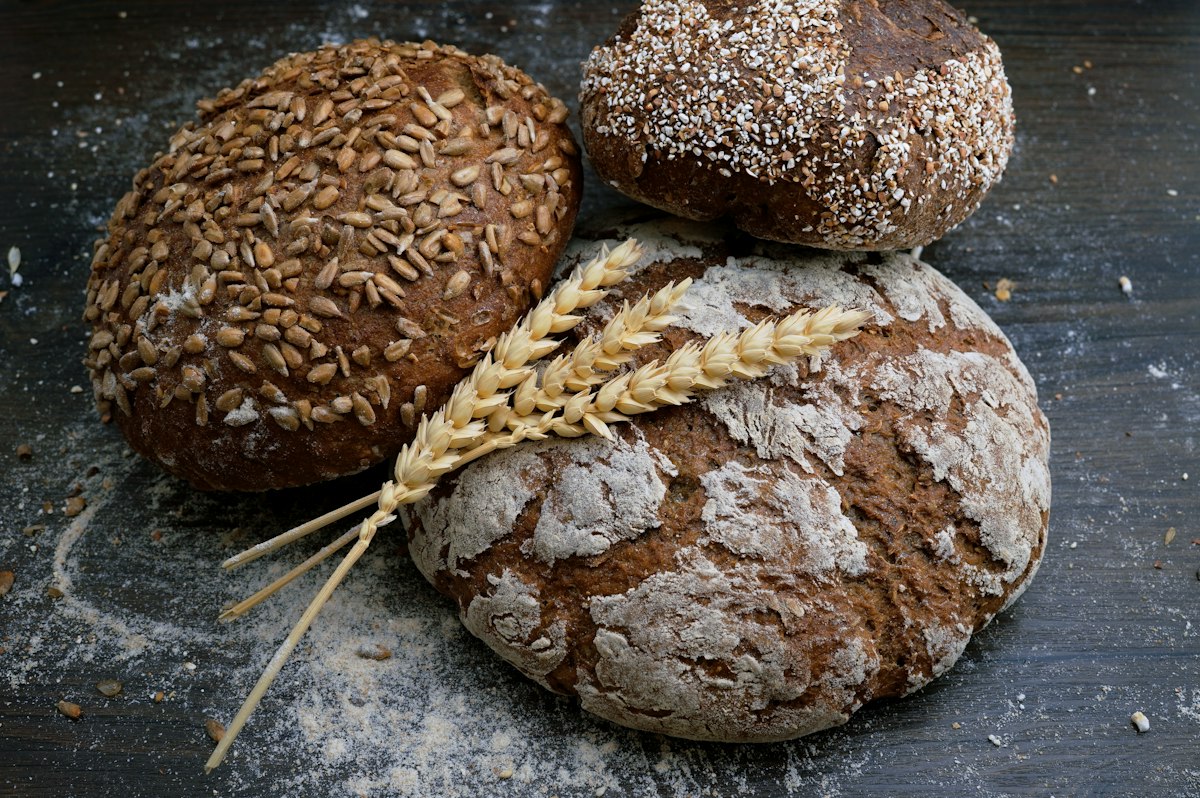
Bread is one of the most wasted foods worldwide. Every year, millions of loaves end up in the bin simply because they hardened within a few hours. Yet with the right methods, it’s entirely possible to keep bread fresh for several days, even several weeks.
Here are 7 proven methods to extend the life of your bread and say goodbye to waste.
1. The Linen Towel: The Traditional Method
Linen is a natural fiber with remarkable properties for bread preservation. It absorbs excess moisture while preventing the bread from drying out too quickly.
How to do it:
- Wrap your bread in a clean, dry linen towel
- Wrap snugly enough that the bread is well covered, without compressing too much
- Place it in a cool, dry spot, away from direct light
Result: your bread stays soft for 2 to 3 days. This is the method our grandparents used, and it still works just as well.
A cotton towel works too, but linen remains superior thanks to its natural antibacterial properties and absorption capacity.
2. The Wooden Bread Box: Your Daily Ally
A bread box isn’t just a decorative item. When made of wood, it creates an ideal micro-environment for bread preservation.
Why it works:
- Wood naturally regulates ambient humidity
- It maintains gentle air circulation around the bread
- It protects against temperature fluctuations
Tips for use:
- Prefer raw wood (beech, bamboo) over varnished wood
- Clean regularly with a damp cloth and white vinegar
- Don’t seal it airtight: bread needs a minimum of ventilation
- Place the box away from heat sources (oven, radiator)
With a good bread box, your baguette can remain pleasant to eat for 2 days, and a country loaf for 4 to 5 days.
3. Freezing in Slices: The Long-Term Solution
This is arguably the most effective method for long-term bread storage. The secret? Freeze in slices rather than whole.
The steps:
- Wait until the bread has completely cooled (never freeze warm bread)
- Cut it into evenly thick slices
- Place the slices in a freezer bag, removing as much air as possible
- Write the freezing date on the bag
- Place in the freezer (-0.4F / -18C minimum)
To defrost:
- Toaster: 2-3 minutes, the quickest and crunchiest method
- Oven: 5 minutes at 350F (180C) for a result close to fresh bread
- Room temperature: 15-20 minutes (slightly softer result)
Frozen bread keeps for up to 3 months without significant quality loss. By slicing before freezing, you can take out exactly the amount you need each morning. Make sure to label your bags with the freezing date so you can track freshness — and if you want to go further, our zone-by-zone guide to organizing your fridge covers best practices for all your perishable foods.
4. The Paper Bag: Simple and Effective
The paper bag you get from the bakery isn’t there by accident. It’s an excellent short-term storage solution.
Advantages of paper bags:
- They let the bread breathe while protecting it
- They absorb excess moisture
- They prevent condensation that softens the crust
Be careful though:
- Plastic bags are a no-go: they trap moisture and make the crust rubbery
- Paper bags work well for 24 to 48 hours maximum
- Close the bag by simply folding it, without using a clip
For optimal storage, combine the paper bag with a bread box: the bread in its bag, placed in the box. Double protection.
5. Avoid the Refrigerator: The False Good Idea
This is the most common mistake. Many people think that putting bread in the fridge will preserve it longer. The opposite is true.
Why the fridge is bread’s enemy:
- Cold accelerates a process called starch retrogradation
- Essentially, starch molecules recrystallize and the bread hardens 3 to 6 times faster than at room temperature
- The fridge’s humidity softens the crust while drying out the crumb
The only exception: industrial sliced bread in sealed packaging, already designed for the refrigerator thanks to its preservatives and airtight wrapping.
For all other breads (baguettes, country bread, artisan whole wheat), room temperature remains the best choice for consumption within 2-3 days.
6. Choose Sourdough Bread: It Naturally Lasts Longer
Not all breads are equal when it comes to preservation. Sourdough bread has a considerable natural advantage.
Why sourdough keeps better:
- Sourdough fermentation produces organic acids (lactic acid, acetic acid) that act as natural preservatives
- These acids slow down mold development
- The crumb structure, denser and more open, retains moisture better
Shelf life comparison at room temperature:
- Classic baguette (yeast): 12-24 hours
- Sourdough country bread: 4-5 days
- Whole wheat sourdough bread: 5-7 days
If you’re lucky enough to have a good baker who works with natural sourdough, it’s an investment that pays for itself through shelf life. A $5 sourdough loaf that lasts a week costs less than three $1.20 baguettes that dry out in a day.
7. The Celery Trick: The Old Remedy That Works
This tip may seem surprising, but it’s remarkably effective for reviving bread that’s starting to go stale.
How it works:
- Place a celery stick (or half a stick) in your bread box or bag
- The celery slowly releases its moisture
- The bread absorbs this moisture and regains some of its softness
Alternatives that also work:
- A slice of apple (replace every 2 days)
- A piece of raw potato
- A fresh lettuce leaf
The idea is always the same: place a water-rich food next to the bread that will slowly diffuse moisture. Be careful though not to leave these items in contact with the bread for too long to avoid mold.
Storing Country Bread
Country bread deserves a special mention because it’s naturally one of the best-keeping breads, thanks to its composition and baking method.
Why country bread lasts longer
Real country bread is generally made with a mix of whole or semi-whole wheat flours and often with natural sourdough. This combination gives it several advantages:
- Whole wheat flours retain more moisture than white flour
- Sourdough produces acids that slow mold growth
- The thick crust forms an effective protective barrier
Shelf life by method
| Method | Duration for country bread |
|---|---|
| Linen towel | 4-5 days |
| Bread box | 5-7 days |
| Paper bag | 2-3 days |
| Freezing | Up to 3 months |
Specific tip
Always store your country bread cut side down on a wooden board. This prevents the exposed crumb from drying out while letting the crust breathe.
Storing Homemade Bread
Homemade bread behaves differently from bakery bread, and understanding these differences is essential for proper storage.
The particularities of homemade bread
Homemade bread contains no preservatives, which means it goes stale faster than bakery bread. Additionally, home ovens don’t reach as high as professional ones, which often results in a thinner crust and therefore less protection.
The cooling protocol
The most important step is cooling. Never cut or wrap your bread while it’s hot:
- Remove the bread from the oven and place it on a cooling rack
- Wait at least 1 hour (ideally 2 hours) before cutting
- Steam must escape naturally, otherwise trapped moisture will cause mold
Homemade bread shelf life
- Yeast homemade bread: 1 to 2 days (goes stale very quickly)
- Sourdough homemade bread: 3 to 5 days (acids protect it)
- Whole wheat homemade bread: 2 to 4 days (more moisture in the flour)
- Frozen homemade bread: up to 3 months (freeze on the day of baking)
Optimizing preservation
To make your homemade bread last longer:
- Add a tablespoon of olive oil to the dough (slows drying)
- Use sourdough rather than baker’s yeast
- Add 10% rye flour to your recipe (better moisture retention)
Reviving Stale Bread
Before throwing away stale bread, know that there are simple techniques to bring it back to life, and delicious recipes to recycle it.
The oven method (most effective)
- Run your stale bread under a trickle of water for 1 to 2 seconds (don’t soak it)
- Put it straight in the oven at 350F (180C) for 5 to 8 minutes
- The steam created will rehydrate the crumb while the heat restores crunchiness to the crust
The result is impressive: your bread returns to near-fresh state. This method works for baguettes, country bread and whole wheat loaves.
The microwave method (quick fix)
- Wrap the bread in a damp towel
- Heat for 10 to 15 seconds at medium power
- Eat immediately (the bread softens quickly but hardens again afterward)
Recycling stale bread: 5 anti-waste ideas
Never throw away stale bread again! Here are some classic recipes:
- French toast: soak slices in a milk/egg/sugar mixture, then pan-fry. The perfect breakfast
- Homemade breadcrumbs: blend dry bread in a food processor. Keeps for months in an airtight jar
- Croutons: cut into cubes, season with olive oil and herbs, bake 10 min at 350F (180C)
- Bruschetta: rub toasted stale bread with a garlic clove and fresh tomatoes
- Bread pudding: a comforting dessert made from bread, milk, eggs and sugar
In Summary: Which Method to Choose?
| Method | Shelf life | Ideal for |
|---|---|---|
| Linen towel | 2-3 days | Daily use |
| Wooden bread box | 2-5 days | Families, regular consumption |
| Freezing in slices | Up to 3 months | Buying ahead, avoiding waste |
| Paper bag | 1-2 days | Quick solution, short-term |
| Sourdough bread | 4-7 days | Best choice from purchase |
| Celery trick | +1-2 days | Reviving staling bread |
The best approach often involves combining several methods: buy sourdough bread, store it in a linen towel inside a bread box, and freeze excess portions in slices.
With an app like SauveTonPain, you can note the purchase date of your bread and get a reminder to freeze or cook it before it gets too dry. A small gesture that makes a big difference over time.
Every loaf saved is a little less waste. Try these methods today and find the one that best fits your habits. And if you’re unsure whether a product in your fridge is still safe to eat, our guide to use-by and best-before dates will help you decide with confidence.